
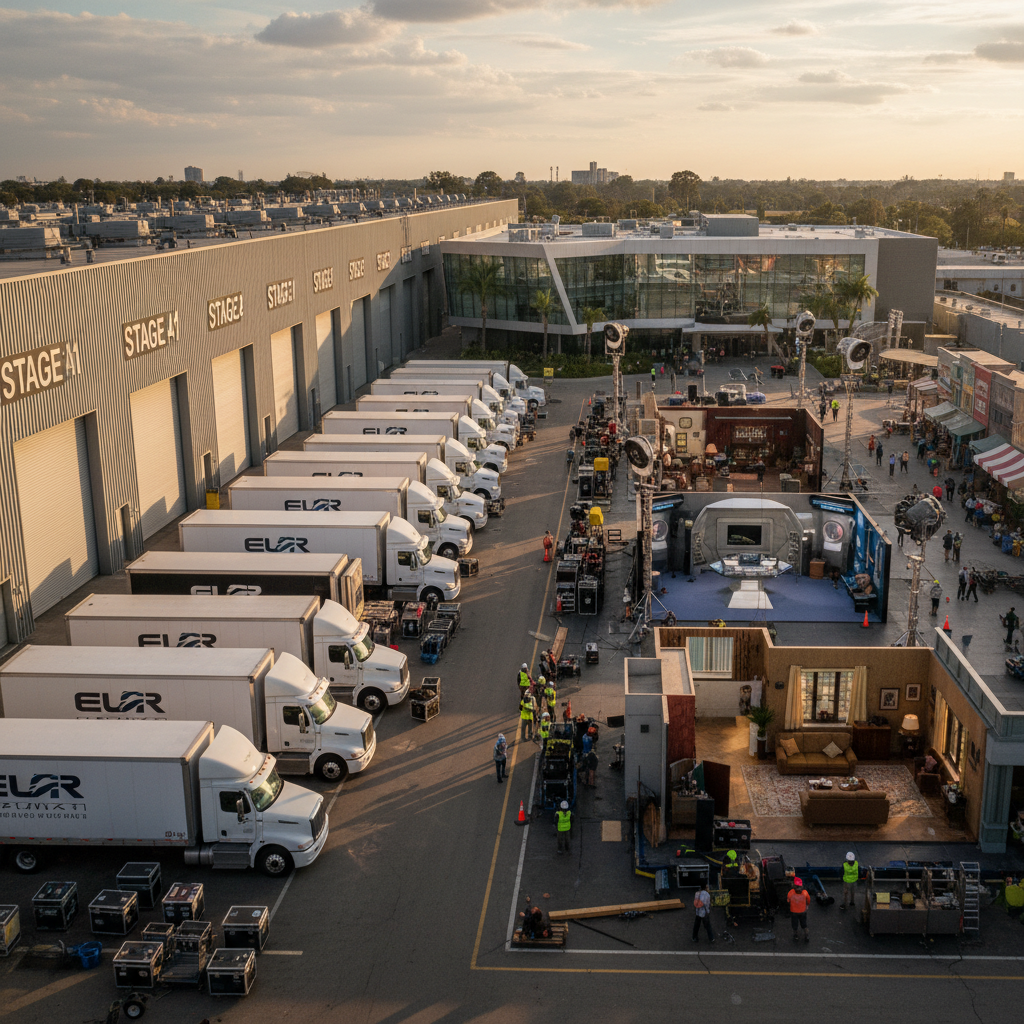
Television production is more complex than most viewers realize. One of the most common questions people have about how shows are made is whether episodes are filmed all at once, in groups, or one at a time. The answer depends heavily on the type of show, the network, and the production schedule.
Understanding how TV episodes are filmed matters if you’re curious about the industry, following a show’s release schedule, or interested in how production decisions affect quality and timing.
Quick Answer
Yes, TV show episodes are often filmed in batches, but the exact approach varies by genre and production style. Scripted dramas and comedies typically film multiple episodes simultaneously or in overlapping blocks. Reality shows and talk shows may film continuously or in large batches. Very few shows film one episode completely before starting the next.
Key Takeaways
- Most scripted TV shows film episodes in overlapping production blocks, not one at a time
- A single production block often covers two or more episodes at once to maximize efficiency
- Reality shows, talk shows, and game shows typically film in large batches or continuous runs
- Animation is produced on a very different timeline, often completed months before airing
- Filming in batches reduces costs by consolidating location shoots and cast availability
- Some premium cable and streaming shows film an entire season before any episodes air
- Network TV shows may still be filming while early episodes are already broadcasting
- How long it takes to film a TV season depends on episode count, budget, and format
What Does “Filming in Batches” Actually Mean?
Filming in batches means that production crews shoot scenes from multiple episodes during the same filming period, rather than completing one episode start to finish before moving on. This is standard practice across most of the television industry.
For example, if a show needs to film a scene at a specific outdoor location, the production team will often shoot all scenes from multiple episodes that take place at that location during a single visit. This saves time, money, and logistical effort.
Why Batch Filming Is the Industry Standard
The primary driver is efficiency. Bringing a full cast and crew to a location is expensive. Doing it once and capturing content for several episodes is far more cost-effective than returning multiple times.
Key reasons productions film in batches:
- Location consolidation: All scenes at one location across multiple episodes are shot together
- Cast scheduling: Actors with limited availability can film all their scenes in a concentrated window
- Crew efficiency: Department heads, lighting setups, and equipment rentals are maximized
- Weather and seasonal continuity: Outdoor scenes requiring specific conditions are grouped together
How Scripted Dramas and Comedies Are Filmed
Scripted shows typically use a “block shooting” method, where a director films two or more episodes back to back as a single production unit. Each block usually takes one to two weeks of filming.
A standard network drama with 22 episodes per season might divide production into 11 blocks of two episodes each. Filming for the full season can run five to nine months. You can learn more about these timelines in this breakdown of how long it takes to film a TV show.
Multi-Camera Sitcoms vs. Single-Camera Dramas
These two formats handle batch filming differently.
| Format | Filming Style | Typical Schedule |
|---|---|---|
| Multi-camera sitcom | Live studio audience, one episode per week | Sequential, one episode at a time |
| Single-camera drama | Location and set shooting, block method | Two or more episodes per block |
| Single-camera comedy | Similar to drama, block shooting | Two or more episodes per block |
Multi-camera sitcoms like traditional network comedies are one of the few formats that tend to film sequentially, completing one episode per week with a live or studio audience. Single-camera shows almost always use block shooting.
How Reality Shows and Talk Shows Are Filmed
Reality shows are often filmed in very large batches or even all at once, then edited into individual episodes in post-production. A competition reality show might film the entire season over a few weeks of continuous shooting.
Talk shows and late-night programs operate on a near-daily schedule, filming each episode just before or on the day it airs. This makes them closer to live production than traditional scripted television.
Game Shows and Daytime Programming
Game shows are among the most extreme examples of batch filming. Productions like Jeopardy! or Wheel of Fortune film multiple episodes in a single day, often five episodes per day across a multi-day shoot. This approach dramatically reduces production costs and keeps the schedule manageable for hosts and crews.
Streaming vs. Network TV: Key Differences
Streaming platforms like Netflix, HBO Max, and Apple TV+ often complete an entire season before releasing any episodes, which changes how batch filming is approached. Because there is no weekly broadcast deadline, productions can take a more deliberate, film-like approach.
| Production Type | Filming Approach | Release Style |
|---|---|---|
| Network TV (22 episodes) | Batch blocks, filming overlaps with airing | Weekly, one episode at a time |
| Premium cable (10 episodes) | Full season filmed before release | Weekly or binge |
| Streaming platform | Full season or near-full season before release | Binge drop or weekly |
| Reality competition | Continuous shoot, heavy post-production | Weekly during airing season |
Network television has traditionally operated with a tighter window. A show might begin airing in September while the production team is still filming episodes for later in the season. This creates pressure but also allows producers to respond to audience feedback, which is something streaming shows filmed entirely in advance cannot do.
Understanding how long a TV season typically runs helps explain why network shows often film under these compressed timelines.
Does Batch Filming Affect Quality?
Batch filming itself does not reduce quality, but compressed timelines and overlapping production can create challenges. When a show is still filming while earlier episodes are airing, there is little room to course-correct based on how audiences respond.
Premium productions that film entire seasons in advance, like many prestige dramas, often benefit from more consistent creative vision and better continuity. However, they lose the flexibility to adjust storylines based on viewer reception.
Writers and showrunners working on how TV shows influence audiences often consider this tradeoff when deciding how much of a season to complete before release.
Animation and Pre-Production Timelines
Animated TV shows operate on a completely different production model. Episodes are typically completed six months to over a year before they air, because animation requires extensive pre-production, voice recording, and rendering time. Batch production for animation means entire seasons may be finished well before a single episode reaches viewers.
Conclusion
TV show episodes are almost universally filmed in batches to some degree. Whether it’s a scripted drama using block shooting, a game show recording five episodes in one day, or a reality competition filming an entire season in a few weeks, batch production is the norm rather than the exception. The format, budget, and platform all shape exactly how that batching works.
Understanding this process gives viewers a clearer picture of why shows look the way they do, why release schedules vary, and how production decisions shape the final product.
FAQs
Do TV shows film episodes in order?
Not always. While some multi-camera sitcoms film sequentially, most scripted shows film scenes out of order based on location and cast availability. Episodes are assembled in the correct order during post-production editing.
How many episodes can a TV crew film per week?
A typical single-camera scripted drama films roughly one episode per week or two episodes per two-week block. Game shows can film up to five episodes in a single day.
Why do some shows still film while they are airing?
Network TV shows with 20+ producing all episodes in advance before any revenue comes in is financially risky for broadcasters.
Do Netflix shows film all episodes before releasing?
Most Netflix original series complete the full season before the premiere date. It is the standard method for single-camera scripted television and improves efficiency across cast and crew scheduling.
How does batch filming affect continuity?
Batch filming requires careful continuity management, including matching costumes, hairstyles, and set details across episodes filmed simultaneously. Dedicated continuity supervisors track these details to ensure consistency when episodes air in sequence.
Are TV writers involved during filming?
Yes, writers and showrunners are typically active during production, making script adjustments and responding to on-set needs. On network TV, writers may still be drafting later episodes while earlier ones are being filmed, which is part of why TV writers’ working conditions have been a major industry issue.
This article was last updated on August 18, 2026 .
